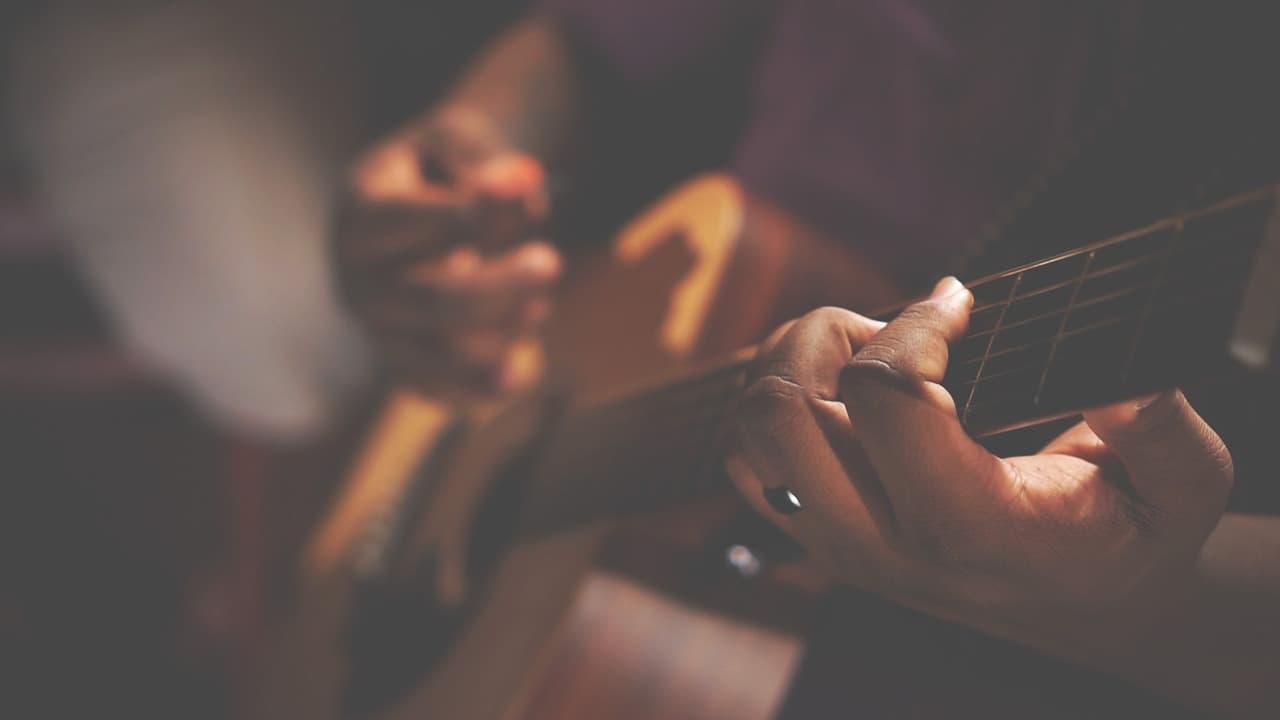

There was a time when making music meant getting noticed by the right people in the right room. A label, a producer, a gatekeeper. That era is fading. Not with a bang, but with a million quiet uploads from bedrooms, studios, and living rooms around the world.
From Gatekeepers to Open Doors
The recording industry spent decades built on scarcity. Studio time was expensive. Distribution required physical infrastructure. Radio airplay was a bottleneck. Independent artists existed, but they lived in the margins, selling CDs at shows, hoping for a break.
What changed wasn't just technology. It was a shift in who gets to decide what music deserves to be heard. The tools to record, produce, and share music became accessible to anyone with a laptop and an idea. The gatekeepers didn't disappear, but their monopoly did.
The Rise of the Artist-First Mindset
Something interesting happened when artists gained control over their own work. They started thinking differently. Not just about the music, but about how it reaches people. Artists became their own labels, their own marketers, their own distributors.
This shift created a new kind of artist: someone who understands both the creative and the business side, who values direct connection with listeners over chart positions, and who measures success in sustainability rather than overnight fame.
What Gets Lost in the Noise
But openness has its own challenges. When everyone can publish, discovery becomes the new bottleneck. Algorithms favor engagement over artistry. Playlists replace albums. The three-second skip has replaced the slow listen.
The most interesting music being made today often lives outside the algorithmic spotlight. In communities, in niche genres, in cultures that have always had rich musical traditions but never had the infrastructure to share them globally.
The Next Chapter
The future of independent music isn't about more volume. It's about better connection. Artists and listeners finding each other through intention rather than accident. Platforms that respect the work. Experiences that reward attention rather than distraction.
The revolution in independent music was never about replacing the old system. It was about building something more honest alongside it. Where the music comes first, and everything else follows.